Achaemenid imprint over Daskyleion (Turkey): A large-scale archaeological project to reveal the Persian paradise
About This Project
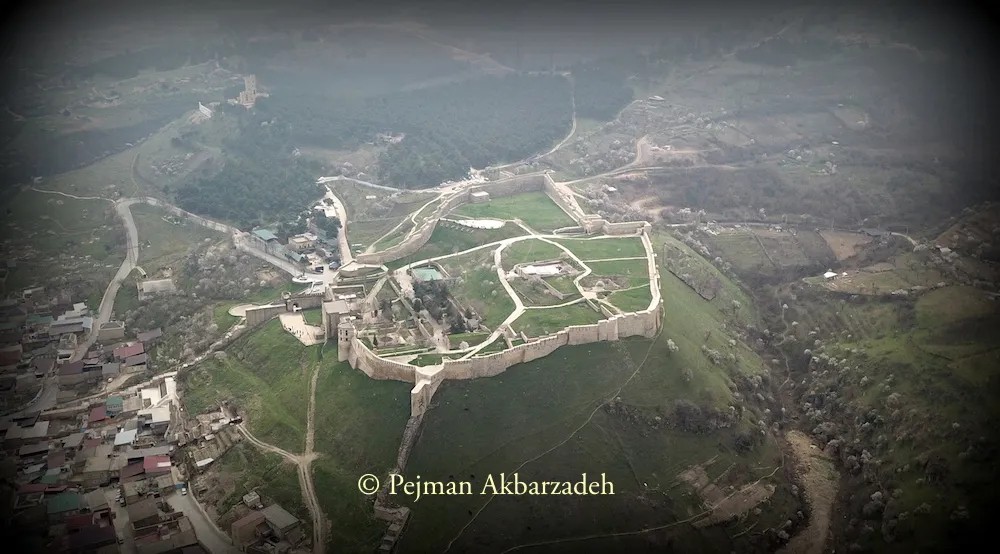
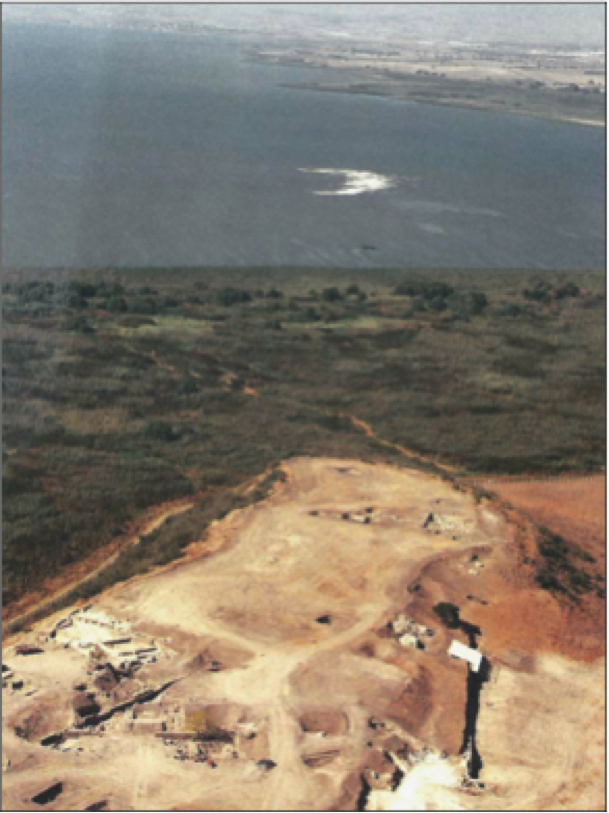
During the Achaemenid Empire, Daskyleion was the capital of the Hellespontine Phrygia satrapy, located in the northwest of the Anatolian peninsula. The ancient Greek testimonies describe Daskyleion as the place of a luxurious Persian paradise. Despite 50 years of excavations at this site, focusing on buildings in the core city, this landscape remains unknown. Our research in the centre of the Empire, at Pasargadae and Persepolis, has demonstrated that broadening archaeological studies through new survey techniques, such as geophysics, can reveal parts of Achaemenid urban landscapes designed as paradises. …The aim is to focus efforts on comprehensive large-scale studies to reveal the Persian imprint on the Daskyleion landscape, i.e. the paradise. With archaeological data on Persian paradises in Anatolia still scarce, Daskyleion is a key site because its Achaemenid remains are well preserved. Our work across several square kilometres of Daskyleion territory could bring to light important data on the Persian way of developing cities as large, paradise-like landscapes, following the model of the royal foundations brought to light in the centre of the Empire.
Extracts from Dr Sébastien Gondet’s report on the August 2015 fieldwork.
In August 2015, Dr Sébastien Gondet conducted an archaeological and geophysical survey at the site of Dascylium (NW Turkey) and in its surroundings. This fieldwork, carried out at the request of Prof. K. Iren, the project director, was made possible thanks to the financial support of the Soudavar Memorial Foundation, which should be warmly thanked. I would like to stress that this joint proposal resulted from Dr Gondet’s skills and experience, which he gained through multi-year projects he co-conducted in Pasargadae and the Persepolis area in the early 2000s.
Extracts from Prof. Rémy Boucharlat’s report