Cultural Heritage
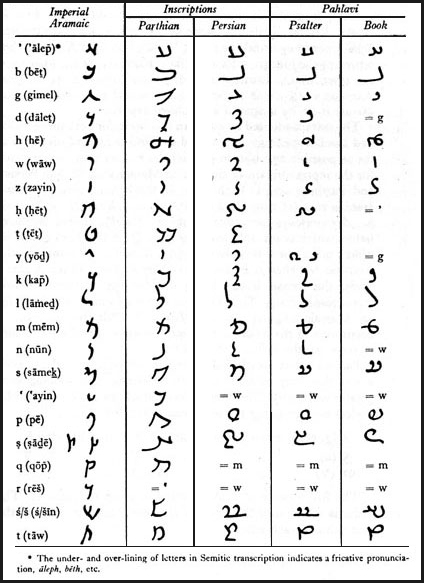
Middle Persian Dictionary Project
The Middle Persian Dictionary Project (MPDP), edited mainly by Shaul Shaked, Emeritus Professor at the Department of Comparative Religions at the Hebrew University of Jerusalem, is a research tool for all varieties and genres of Zoroastrian Middle Persian. The scope of the texts to be included is all varieties and genres of Zoroastrian Midd...
Read More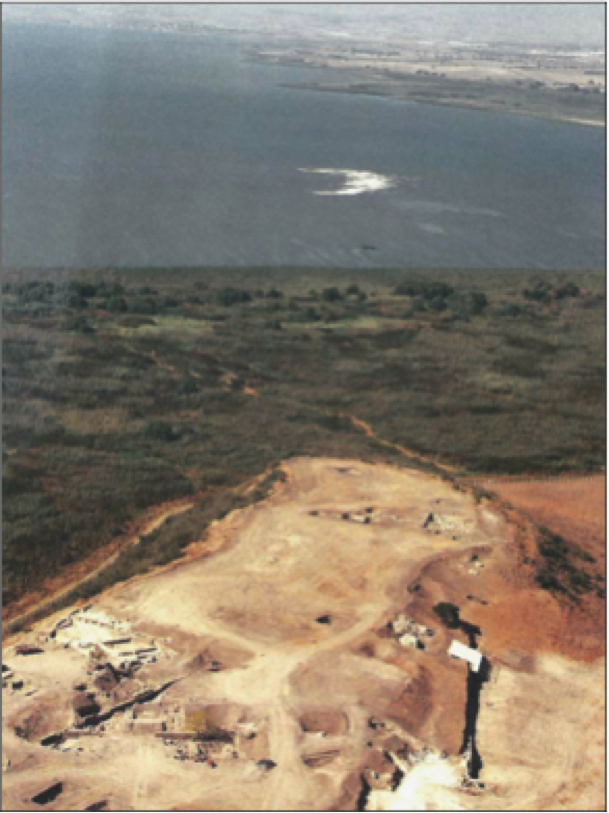
Achaemenid imprint over Daskyleion (Turkey): A large-scale archaeological project to reveal the Persian paradise
During the Achaemenid Empire, Daskyleion was the capital of the Hellespontine Phrygia satrapy, located in the northwest of the Anatolian peninsula. The ancient Greek testimonies describe Daskyleion as the place of a luxurious Persian paradise. Despite 50 years of excavations at this site, focusing on buildings in the core city, this landscape re...
Read More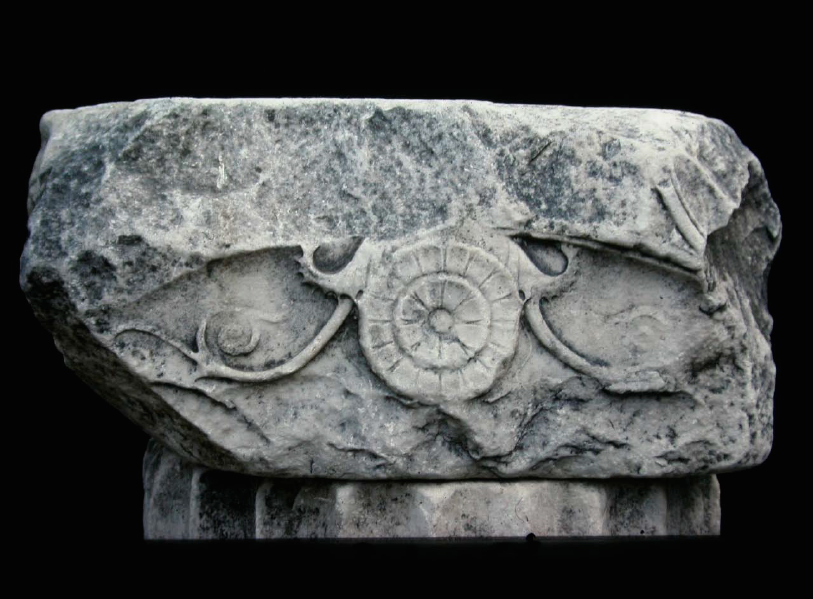
Excavations at Daskyleion (Dascylium), Anatolia, Turkey
From 2003 to 2005, the Soudavar Memorial Foundation supported the excavations at the site of one of the most important Achaemenid satrapal capitals of Western Anatolia, which was also renowned for its paradeisos park (today’s Kus Cenneti). Some of the most important Zoroastrian and Achaemenid finds in Turkey were discovered at this site. Th...
Read More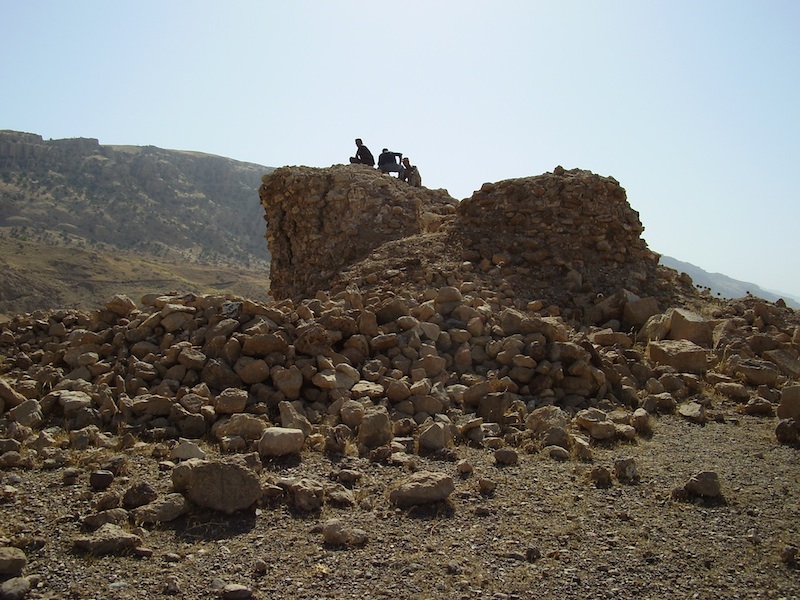
The Paikuli Project
The existence of a large square tower monument at Paikuli in the eastern border of the Kurdistan region of modern Iraq was first documented by nineteenth-century travelers. Studies were made by Henry Rawlinson in 1844, followed by Edward Thomas and Carl Friedrich Andreas. By then, the Sasanian Monument was known to have originally served as test...
Read More
Achemenet
The Achaemenid or Persian empire dominated much of the modern Middle East and Central Asia from the 6th century BC down to its conquest by Alexander the Great in the 320s BC. It was characterised by vast linguistic and cultural diversity because of the many regions it absorbed. This predominantly French language website (with some German transla...
Read More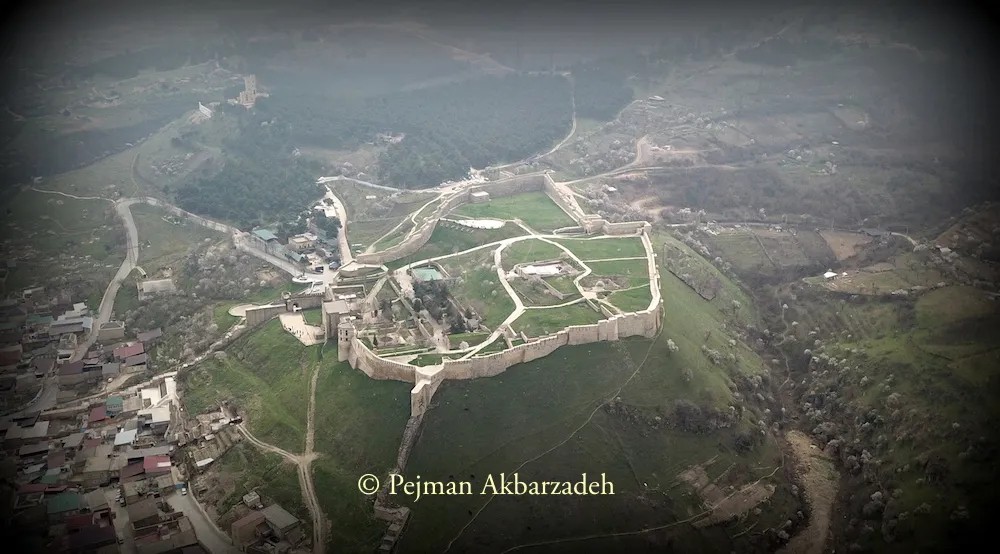
Derbent: What Persia left behind
Registered as a UNESCO World Heritage Site, the 6th-century Derbent (Darband) fortification complex is considered the largest defensive structure of Sasanian Persia (Iran) in the Caucasus. It is now located in the Republic of Dagestan, the southernmost tip of Russia, where Westerners have been advised against traveling due to the bloody conflict...
Read More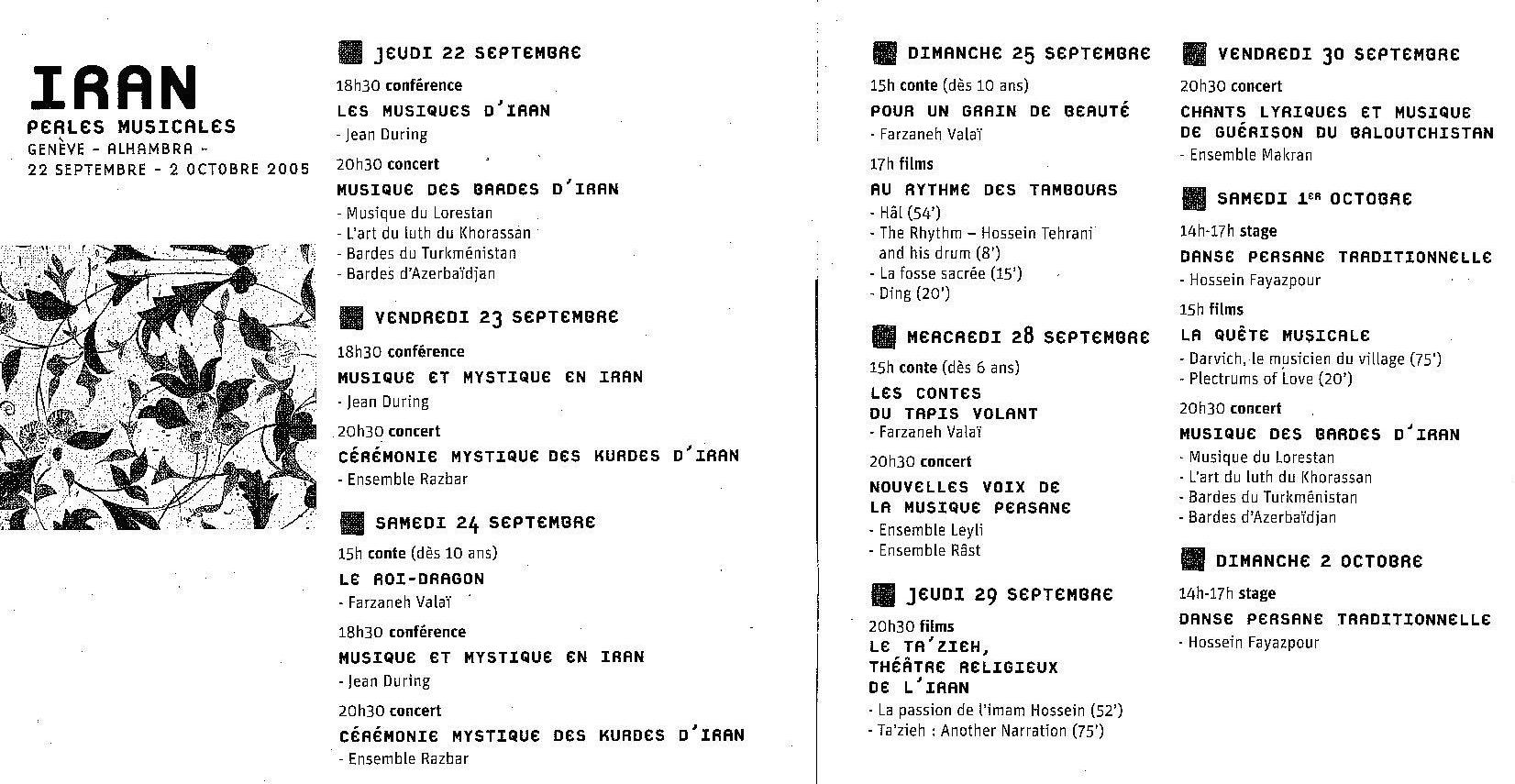
Atelier d'Ethnomusicologie: 'Festival IRAN, Perles Musicales'
This festival was organised with the scientific and artistic collaboration of Jean During and Mme. Leyli Atashkar. It is conceived to represent the diversity of regional music in Iran with performances of Khorasani, Lori, Turkmen, Baluchi, Azari and mystical Kurdish. After the Geneva performance, the festival was scheduled to tour other locatio...
Read More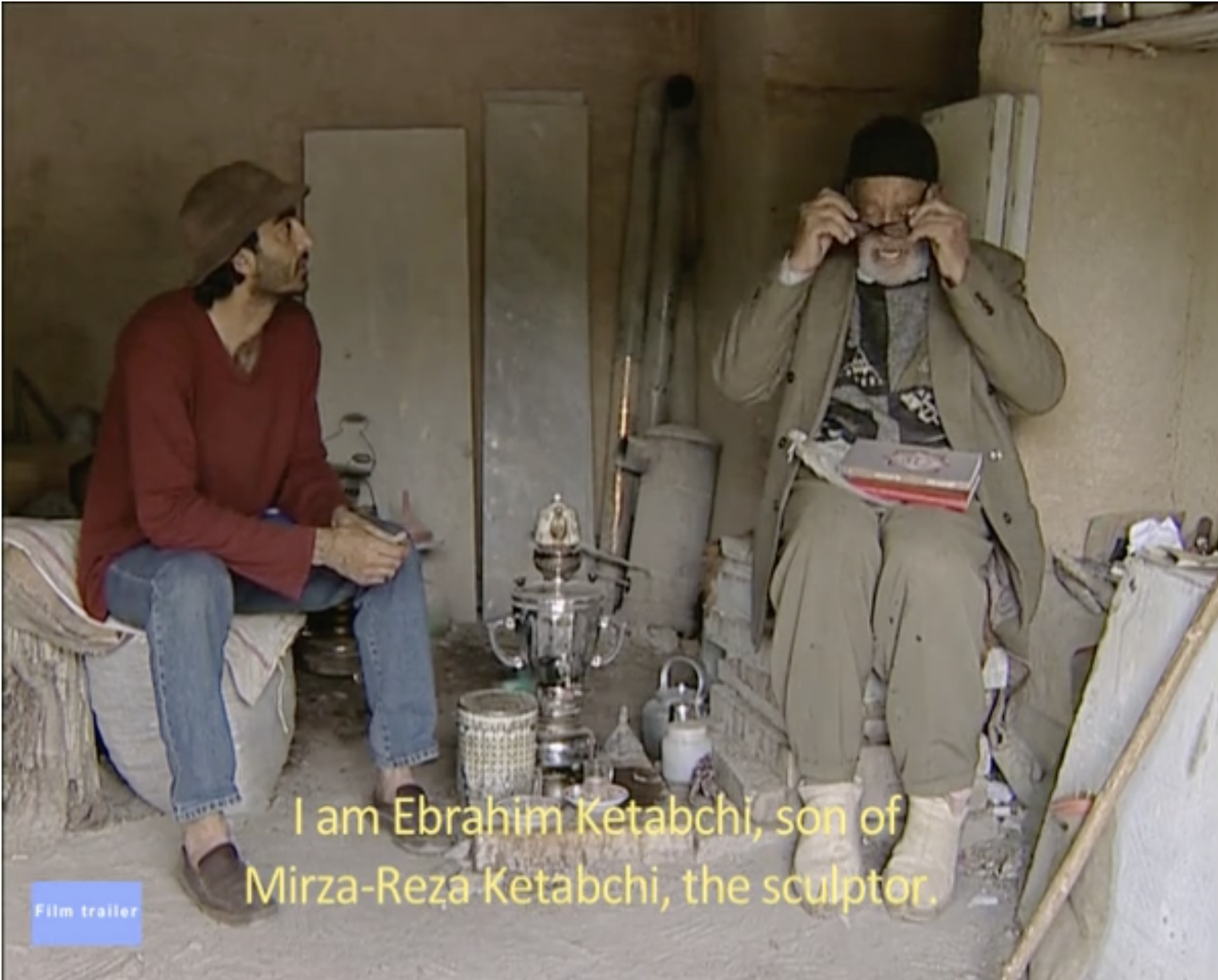
Lion Tombstones and their Sculptors
Originally conceived as a book, this documentary is about lion tombstones among the Bakhtiari nomads. In the majority of cases it was seasonal stonemasons who mostly made lion tombstones for the Bakhtiari. From their childhood, seasonal stonemasons traveled with their fathers, thus learning the trade at first hand. Generally, they were neither L...
Read More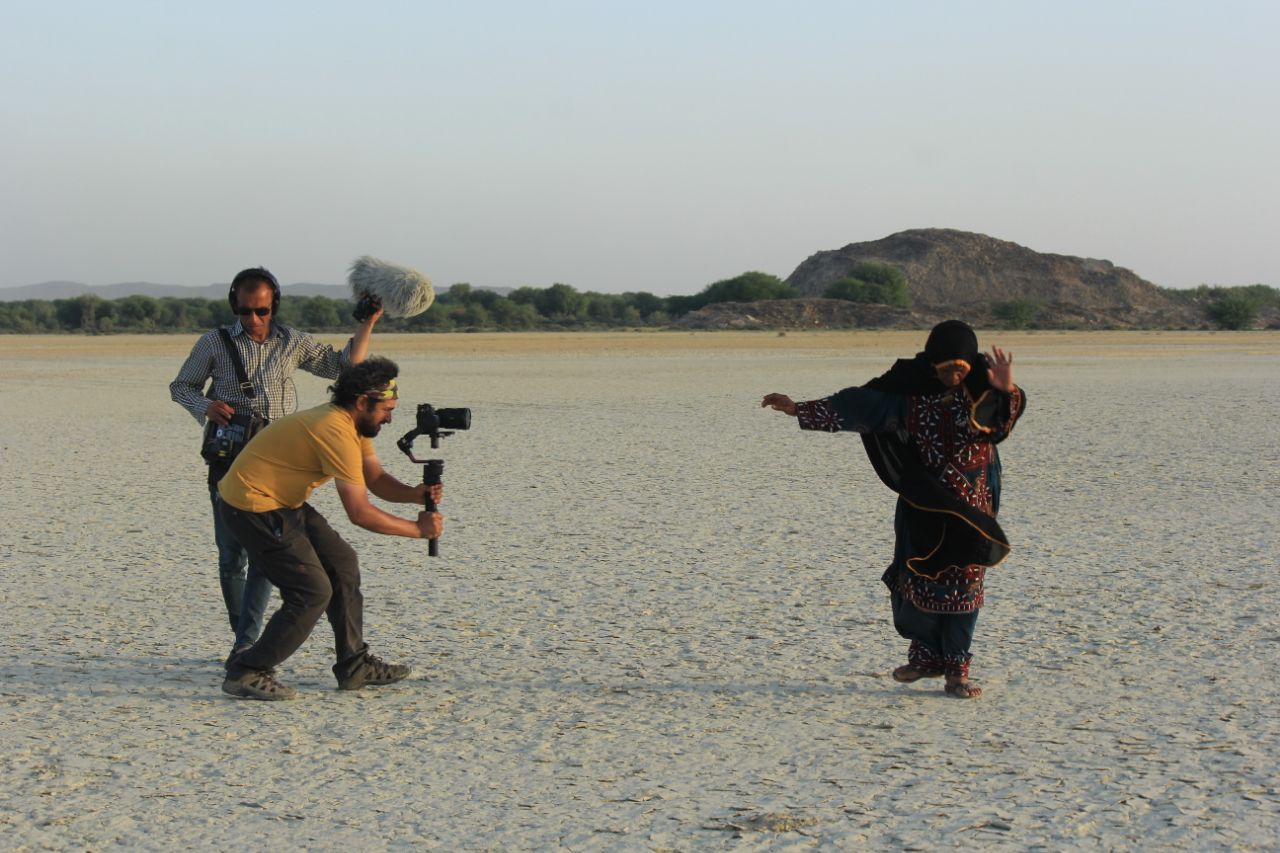
Balouch Voices
The UNESCO Award at the 17th DMZ International Documentary Film Festival, "Balouch Voices" by Muhammad Ehsani delves into the music and culture of the Baluchistan region of Iran. Afro-Iranian music and culture have profoundly influenced the cultural landscape of southern Iran, and Balochi music captures the essence of human experience from birth...
Read More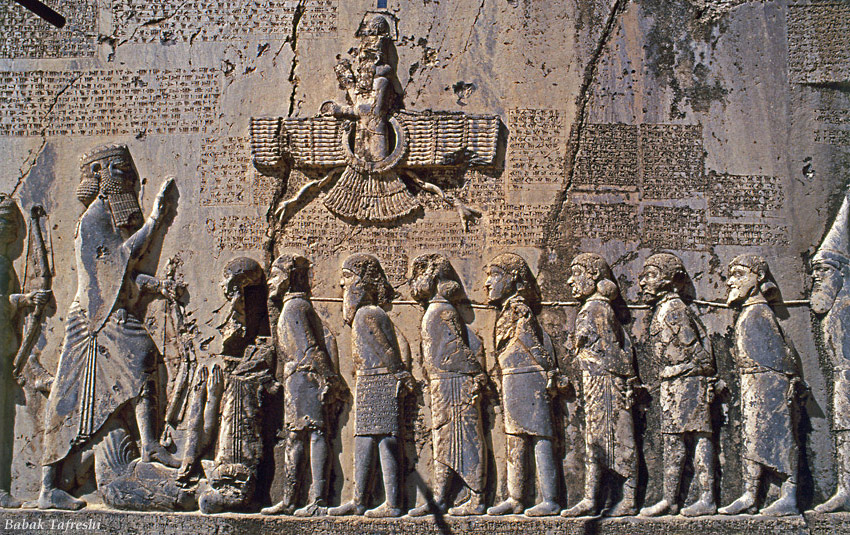
International Bīsotūn Project
Although the importance of the Bisotun monument is generally recognised, its intrinsic value for Iranian culture and history, regardless of, for example, Greek historiography, not always is. Access to the monument is often limited, as no up-to-date synoptic edition exists to reveal the full richnesses of the Elamite, Akkadian, Old Persian and Ar...
Read More