The Idea of Iran: Post-Mongol Polities and the Reinvention of Iranian Identities
Conference
About This Conference
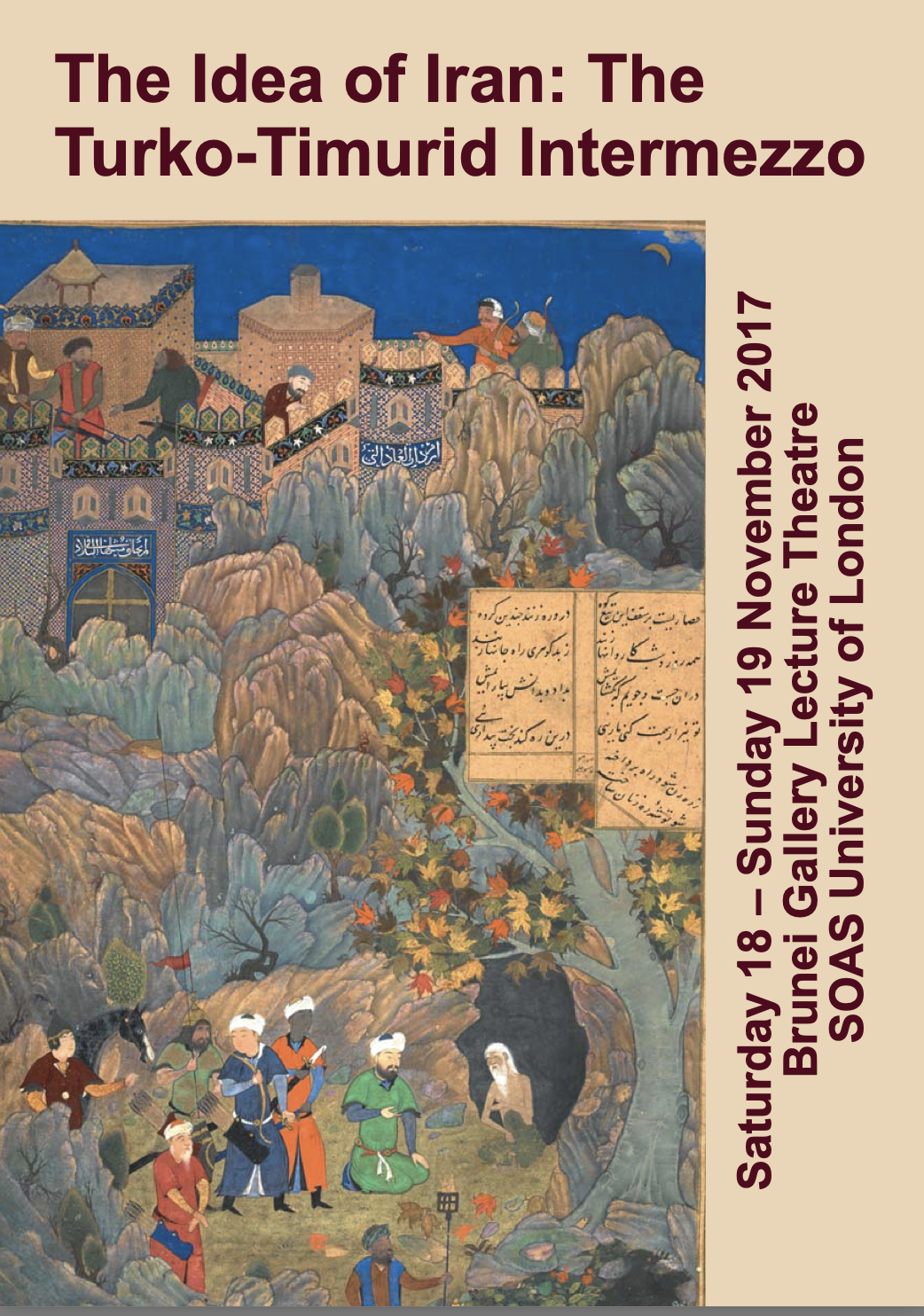
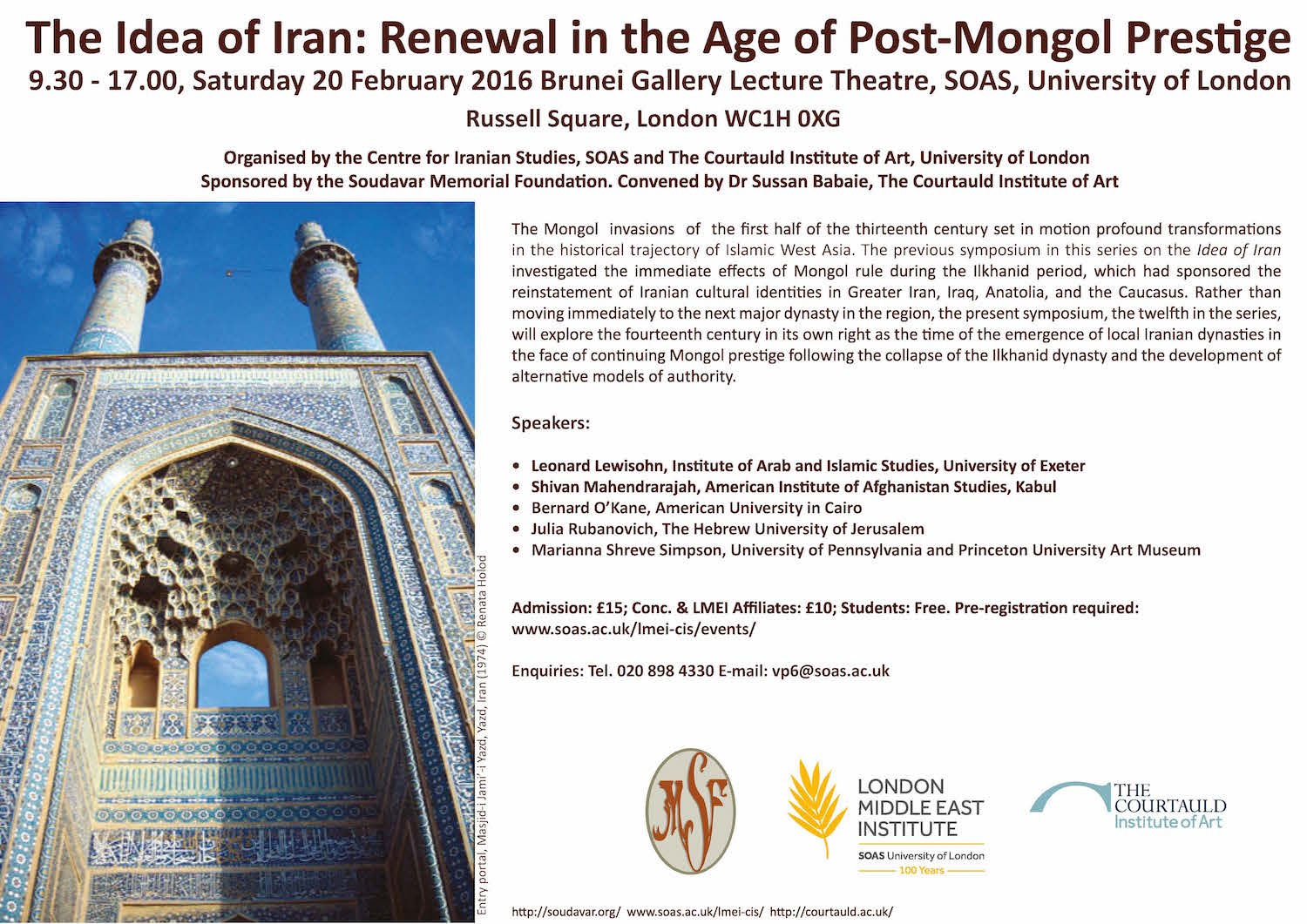
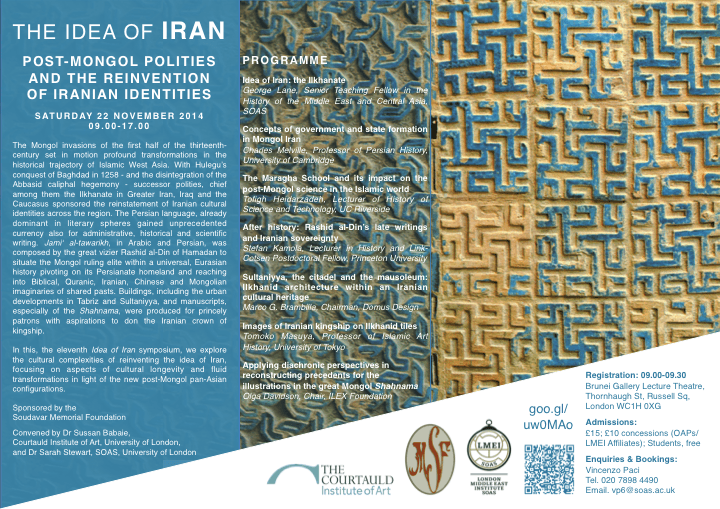
The Mongol invasions of the first half of the thirteenth-century set in motion profound transformations in the historical trajectory of Islamic West Asia. With Hülegü’s conquest of Baghdad in 1258 – and the disintegration of the Abbasid caliphal hegemony – successor polities, chief among them the Ilkhanate in Greater Iran, Iraq and the Caucasus sponsored the reinstatement of Iranian cultural identities across the region. The Persian language, already dominant in literary spheres gained unprecedented currency also for administrative, historical and scientific writing. Jame’ al-tavarikh, in Arabic and Persian, was composed by the great vizier Rashid al-Din of Hamadan to situate the Mongol ruling elite within a universal, Eurasian history pivoting on its Persianate homeland and reaching into Biblical, Quranic, Iranian, Chinese and Mongolian imaginaries of shared pasts. Buildings, including the urban developments in Tabriz and Soltaniyyeh, and manuscripts, especially of the Shahnameh, were produced for princely patrons with aspirations to don the Iranian crown of kingship. This symposium explores the cultural complexities of reinventing the idea of Iran, focusing on aspects of cultural longevity and fluid transformations in light of the new post-Mongol pan-Asian configurations.